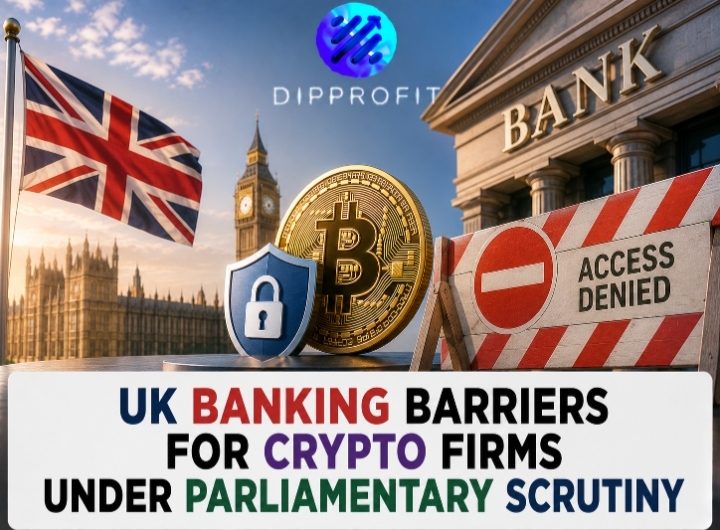

The United Kingdom’s cryptocurrency industry faces mounting pressure as parliamentary inquiries examine the persistent banking barriers that continue to restrict digital asset companies from accessing traditional financial services. The investigation highlights a critical gap between regulatory frameworks and practical banking access, leaving many legitimate crypto firms unable to operate bank accounts despite operating within legal parameters.
Banking access remains one of the most pressing challenges for cryptocurrency businesses across Europe and beyond. Many UK-based crypto firms report difficulty securing accounts with traditional banks, forcing them to rely on alternative payment solutions or operate from jurisdictions with more accommodating financial infrastructure. This banking exclusion creates operational bottlenecks that slow innovation and push some companies to relocate their operations overseas.
The parliamentary inquiry seeks to understand why major financial institutions continue to maintain restrictive policies toward the crypto sector, even as regulatory clarity improves. According to reports from industry bodies, the issue stems from a combination of factors including perceived compliance risks, reputational concerns, and outdated risk assessment frameworks that treat all crypto businesses as high-risk ventures.
Cryptocurrency advocates argue that blanket banking restrictions contradict the UK government’s stated ambitions to become a global crypto hub. The Financial Conduct Authority (FCA) has established clear regulatory pathways for crypto businesses, yet banks remain hesitant to serve these regulated entities. This disconnect between regulatory approval and banking access creates a paradox that undermines the sector’s growth potential.
The inquiry also examines whether banking barriers disproportionately affect smaller crypto startups compared to larger, well-capitalized firms. Smaller companies often lack the resources to navigate complex banking requirements or establish relationships with international financial institutions, creating barriers to entry that concentrate market power among established players.
Industry representatives have submitted evidence to parliament detailing specific cases where legitimate crypto businesses faced account closures or were denied services without clear explanation. These anecdotal accounts paint a picture of inconsistent banking practices that lack transparency and proportionality. This follows a pattern seen in related regulatory challenges affecting fintech innovation across multiple sectors.
The UK government has previously signaled support for crypto innovation through various policy initiatives and regulatory consultations. However, the banking access issue represents a significant implementation gap between policy intentions and market realities. Without intervention, the banking barriers could undermine the government’s broader digital finance strategy.
Some financial institutions have begun developing crypto-friendly banking products, suggesting that market demand may eventually overcome institutional resistance. However, progress remains slow, and many mainstream banks continue to avoid the sector entirely. The parliamentary inquiry may provide momentum for policy solutions that encourage greater banking sector participation.
Potential remedies under consideration include regulatory guidance clarifying banks’ obligations to serve regulated crypto businesses, incentive structures for financial institutions willing to serve the sector, and oversight mechanisms to prevent discriminatory practices. According to industry analysis from CoinDesk, several other jurisdictions have successfully implemented such measures with positive results.
The inquiry reflects growing recognition that banking access is fundamental to crypto sector maturation. Without stable banking relationships, even well-regulated crypto businesses struggle to operate efficiently and maintain compliance with anti-money laundering requirements. The paradox of being regulated yet unable to access banking services undermines the credibility of both the regulatory framework and the financial system.
International comparisons suggest that jurisdictions offering better banking access to crypto firms gain competitive advantages in attracting crypto talent and investment. Switzerland, Singapore, and El Salvador have all benefited from more accommodating banking policies that support their crypto ecosystems. The UK risks falling behind if banking barriers persist.
The parliamentary inquiry represents an important step toward addressing this structural challenge. By examining the root causes of banking exclusion and exploring potential solutions, lawmakers can help align banking practices with regulatory policy. This alignment is essential for the UK to achieve its stated objectives of becoming a leading global crypto hub while maintaining robust financial stability and consumer protection standards.
More Reads:
Cardano’s Van Rossem Hard Fork Marks First Community-Approved Upgrade Without Input Output
South Korea to Launch Second Phase of Project Hangang CBDC Pilot in September
If you’re reading this, you’re already ahead. Stay there, by joining the…
Dipprofit’s private Telegram community

Discover more from Dipprofit
Subscribe to get the latest posts sent to your email.