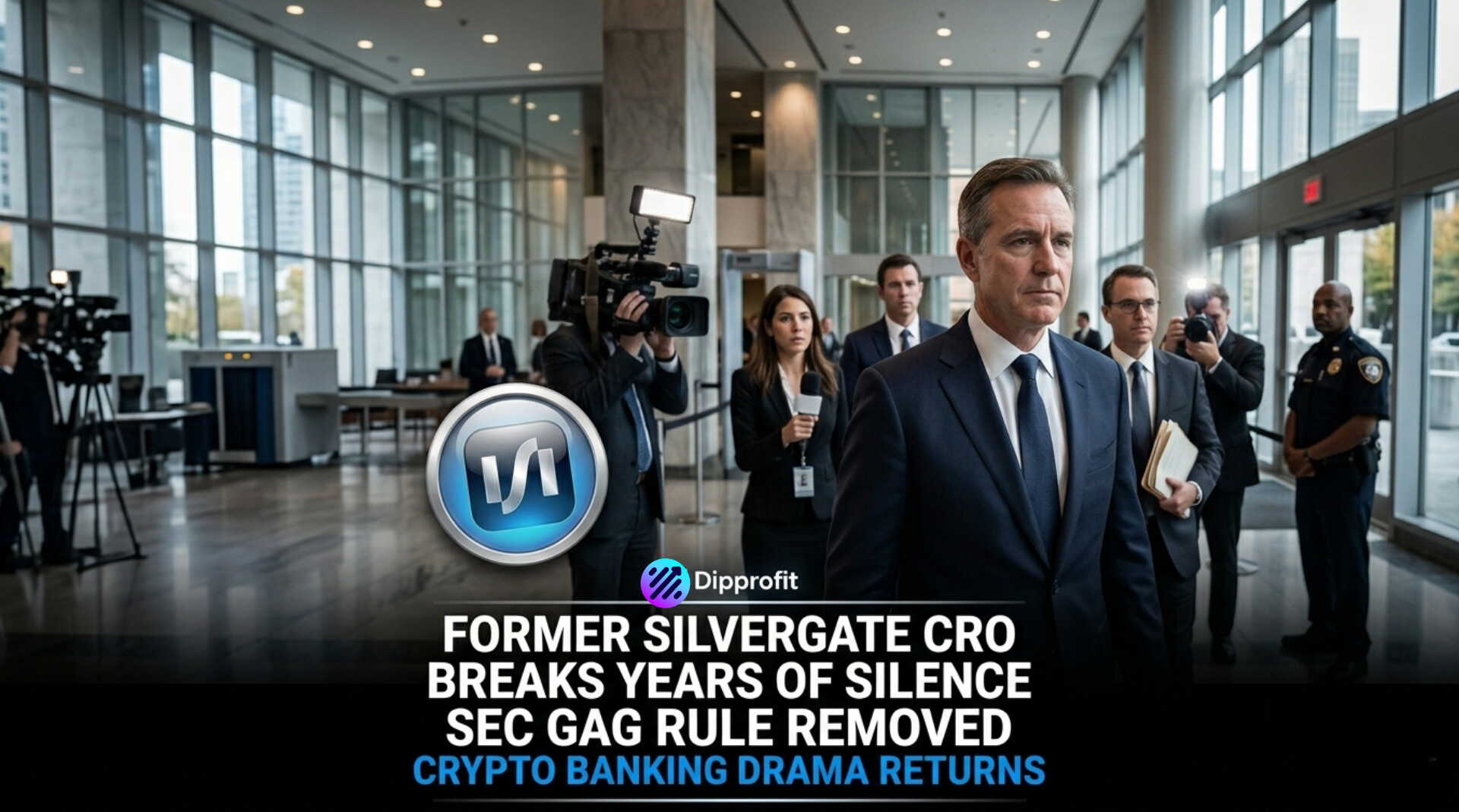

Kate Fraher, the former chief risk officer of Silvergate, has publicly commented on her 2024 settlement with the U.S. Securities and Exchange Commission for the first time after the agency rescinded its longstanding gag rule this week. Fraher’s decision to settle came after she faced accusations of misleading investors about anti-money laundering rules and how the crypto-friendly bank monitored its customers. The revelation provides fresh insight into the regulatory pressures that ultimately led to Silvergate’s voluntary closure following the collapse of FTX in November 2022.
Fraher agreed to a civil penalty of $250,000 and accepted a five-year ban from serving as a company executive or board director. In her first public remarks on Wednesday, she argued that no financial agency ever proved that Silvergate’s anti-money laundering controls had actually failed. She emphasized that she chose to settle simply to “move forward” rather than endure what would have been a protracted legal battle.
“The process itself is designed to apply maximum pressure, and the human costs are real,” Fraher stated. “I was personally de-banked and had credit lines summarily closed, an aggressive tactic used to disrupt daily life and force compliance.” Her comments highlight the personal toll that regulatory enforcement actions can exact on individuals within the crypto industry.
The SEC’s decision to lift the gag rule on Monday marked a significant shift in regulatory approach under the leadership of Paul Atkins. Fraher characterized the previous policy as “unconstitutional” and expressed relief that her right to speak publicly had been restored. “I am glad the right to speak the truth has finally been restored,” she said, calling for continued discussion about the professional and personal consequences of regulation through enforcement.
Fraher’s account challenges the prevailing narrative surrounding Silvergate’s wind-down. While many observers attributed the bank’s closure to the FTX contagion and a deposit run of approximately 70 percent, Fraher contends that the bank had successfully weathered the immediate crisis. By early 2023, she explained, Silvergate had restructured its operations with appropriate capital levels and a right-sized workforce to continue operating safely.
Instead, Fraher pointed to broader regulatory and administrative pressure as the decisive factor. “The broader administrative and regulatory pressure levied against the digital asset industry made operating a viable business impossible,” she said. This characterization aligns with industry concerns about what many crypto advocates have labeled “Operation Chokepoint 2.0,” an unconfirmed coordinated effort by U.S. financial regulators to restrict banking services to cryptocurrency companies.
Silvergate was not alone in facing intense regulatory scrutiny and operational challenges. Signature Bank and Silicon Valley Bank both shut down in early 2023, citing deposit runs, liquidity stress, and contagion effects tied to FTX and various crypto lending platforms that collapsed in 2022. The pattern of closures raised questions about whether regulatory pressure was systematically targeting the crypto industry’s banking infrastructure.
The timing of Fraher’s comments comes as the regulatory landscape for cryptocurrency continues to evolve. This follows a pattern seen in broader debates about how U.S. financial regulators approach the digital asset sector and the balance between consumer protection and industry viability. According to Cointelegraph, regulatory clarity remains one of the most pressing issues facing crypto companies operating in the United States.
Fraher’s willingness to speak publicly about her experience represents a potential shift in how individuals within regulated crypto firms discuss their regulatory encounters. The lifting of the SEC’s gag rule may encourage other executives and employees to share their perspectives on enforcement actions and their broader impact on the industry.
The former Silvergate executive’s comments underscore ongoing tensions between financial regulators and the cryptocurrency sector. As the industry continues to mature and seek greater integration with traditional finance, questions about regulatory fairness and the appropriate use of enforcement mechanisms remain central to the debate about crypto’s future in the American financial system.
More Reads:
Bitwise Says Hyperliquid Token HYPE ‘Most Mispriced’ Crypto Despite 77% YTD Gains
Truth Social Withdraws Bitcoin ETF Application From SEC Review
If you’re reading this, you’re already ahead. Stay there, by joining the…
Dipprofit’s private Telegram community

Discover more from Dipprofit
Subscribe to get the latest posts sent to your email.