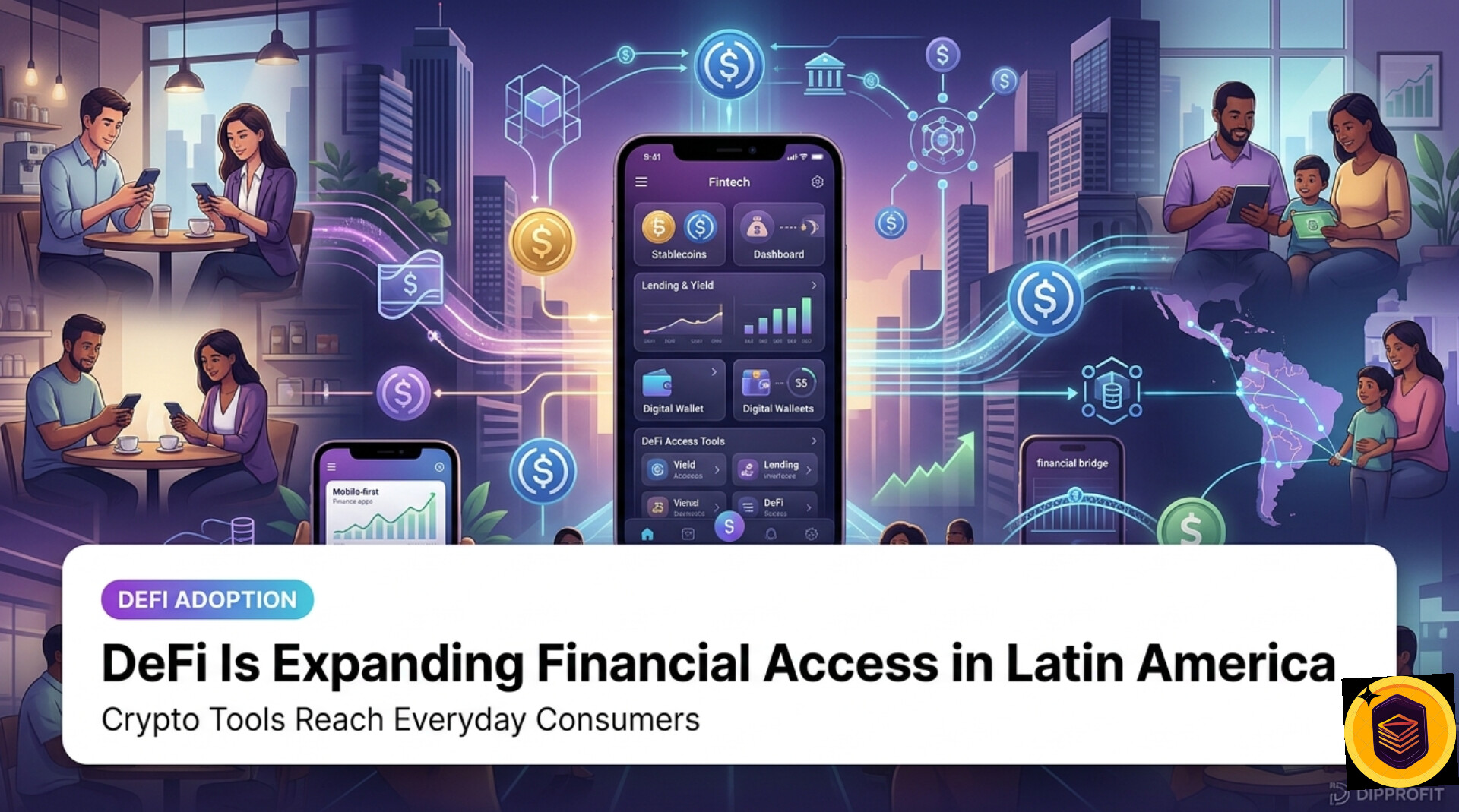

Decentralized finance is reshaping how Latin Americans access basic financial services, moving beyond early crypto adopters to reach everyday consumers through user-friendly interfaces and local fintech companies. The shift represents a significant moment for a region historically constrained by currency devaluation, inflation volatility, limited credit access and banking systems that fail to reward savers.
For years, DeFi remained locked behind technical barriers that made it inaccessible to most people. Users needed self-custody wallets, blockchain knowledge and comfort navigating complex protocols. That gatekeeping kept adoption confined to crypto enthusiasts with specialized expertise.
The landscape is changing rapidly. Latin American fintech companies are now building the abstraction layer that DeFi lacked: intuitive interfaces, peso and real-denominated stablecoins, fiat on-ramps that connect traditional cash to crypto assets and custody solutions that don’t require users to understand private keys. Major protocols like Aave are actively partnering with regional firms to make their infrastructure accessible to ordinary consumers.
This hybrid model pairs global protocol infrastructure with local company expertise. While it sacrifices some ideological purity around decentralization, it delivers something more practical: DeFi tools that people actually use. The result is that Latin America, which historically lagged other regions in DeFi adoption, is beginning to catch up not because the underlying technology changed, but because access became easier.
See also: Financial Advisors Quietly Building Crypto Allocations Despite Market Stagnation
The specific financial products DeFi offers address real pain points across the region. In Brazil, holding U.S. dollars in traditional bank accounts generates virtually no yield. DeFi lending markets change that equation entirely. By depositing USDC into protocols like Aave, savers can earn yield generated by global demand for dollar liquidity. A saver in Recife can now access the same dollar-denominated savings product that a New York saver has long enjoyed.
Liquidity access presents another critical use case. Significant numbers of Latin Americans hold bitcoin or ether as long-term stores of value, particularly in countries with volatile local currencies. Selling these assets to access their value triggers tax events and eliminates exposure to potential appreciation. DeFi protocols eliminate that trade-off. Users can deposit BTC or ETH as collateral and borrow stablecoins against it, accessing liquidity without surrendering the underlying asset. It functions like a home equity line of credit, except the collateral is digital and loans execute in minutes at any time.
These are not exotic financial instruments. They represent basic tools of modern financial life that many Latin Americans have never accessed. This follows a pattern seen in related coverage of financial professionals quietly building crypto allocations despite market conditions, showing how DeFi infrastructure is reaching beyond retail users into institutional awareness.
Traditional financial systems have always suffered from a geography problem. Credit markets are local, and yield depends on where someone lives. A saver in Lima has never earned the same return on dollar deposits as a saver in London simply because infrastructure connecting her to global capital markets did not exist. DeFi removes that geographic constraint. With an internet connection, anyone can participate in the same lending markets, earn identical yields and access equivalent liquidity regardless of location.
See also: $292M Kelp DAO Hack Exposes Critical DeFi Security Gaps as Wall Street Moves Onchain
Traditional lending in Latin America carries additional friction. Strict income documentation requirements and credit scoring systems exclude large population segments. DeFi lending operates on collateral rather than identity. If you hold assets, you have access, regardless of credit history or formal employment status. The market remains available around the clock.
Risks remain real. According to Cointelegraph, smart contract vulnerabilities, protocol failures and collateral asset volatility present ongoing concerns the industry continues addressing. However, the trajectory appears clear. As Latin American firms build accessible interfaces and regulatory bridges, and as protocols mature with established track records, entry barriers will continue falling.
The convergence of global DeFi infrastructure with local fintech expertise is creating genuine financial inclusion for a region historically underserved by traditional banking. This represents not a speculative bubble but a practical response to real financial constraints that millions of Latin Americans face daily.
More Reads:
Spot Bitcoin ETFs Log 6th Consecutive Week of Net Inflows, Longest Streak Since August 2025
XRP Approaches $1.40 Resistance as Tightening Range Sets Stage for Volatile Breakout
If you’re reading this, you’re already ahead. Stay there, by joining the…

Discover more from Dipprofit
Subscribe to get the latest posts sent to your email.