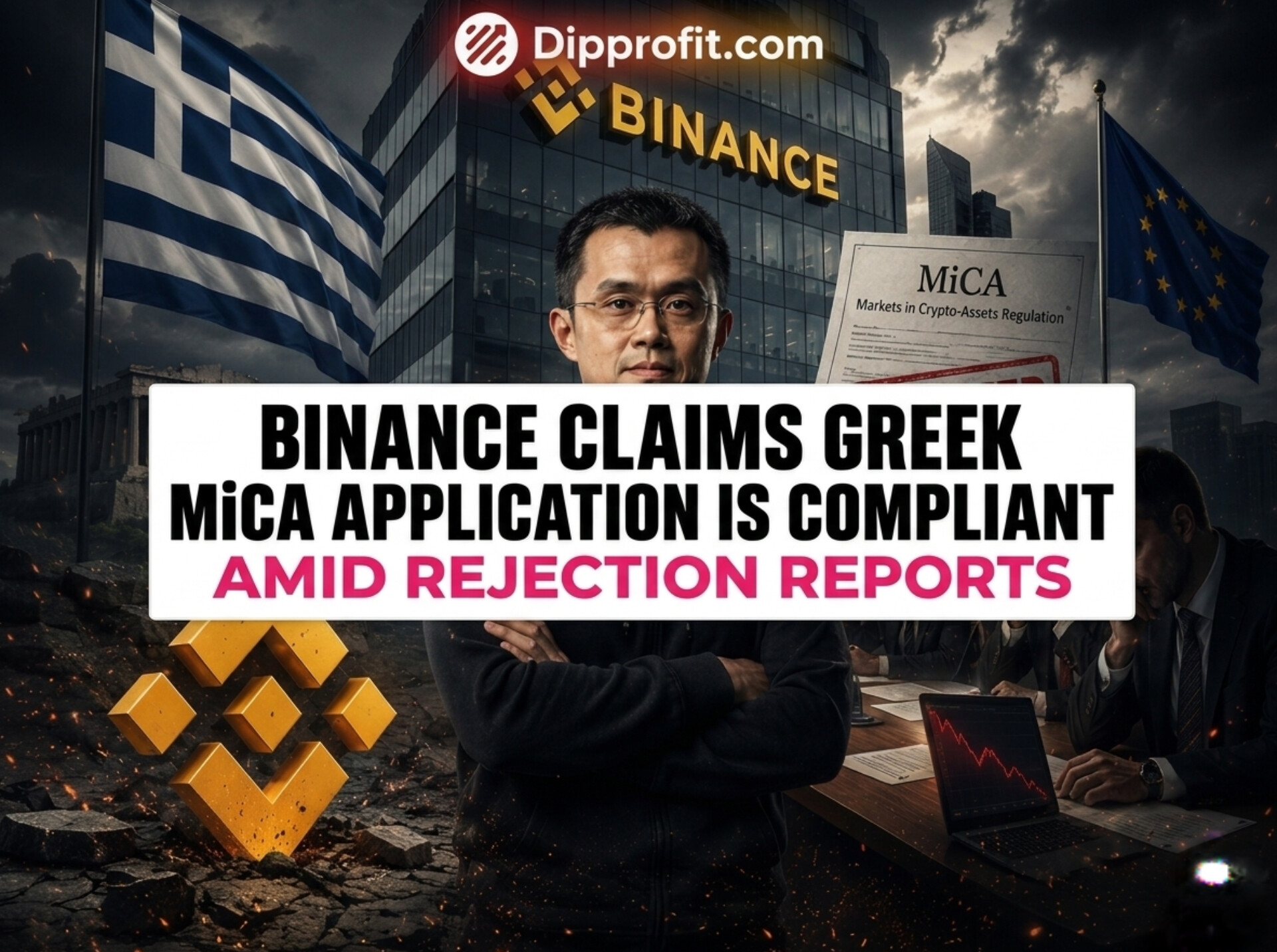

Binance is pushing back against reports that Greek regulators plan to reject its Markets in Crypto Assets (MiCA) license application, insisting the exchange’s submission meets all European requirements. The world’s largest cryptocurrency exchange faces a critical deadline at the end of June to secure regulatory approval in order to continue serving customers across the European Union.
According to Reuters, the Hellenic Capital Market Commission (HCMC) intends to reject Binance’s MiCA application, citing two people with knowledge of the situation. The development threatens to block Binance from operating in Europe’s largest regulated crypto market, where all digital asset service providers must obtain a MiCA license by the end of this month.
Binance disputed the characterization of its application status in a statement to CoinDesk. A company spokesman said the HCMC had completed its review and determined the application was compliant with MiCA requirements. The spokesman added that the regulator had also informed the European Securities and Markets Authority (ESMA) of this assessment and intended to authorize the license at an upcoming board meeting.
The stakes are particularly high given the compressed timeline. The MiCA regulation, which took effect in December 2023, requires all crypto firms operating in the EU to hold proper authorization. Failure to secure a license by the June 30 deadline could force Binance to cease operations for European users or face enforcement action from regulators across member states.
See also: Retail Bitcoin Sentiment Still Matters Despite Institutional Inflows, Swan CEO Says
Binance selected Greece as its primary MiCA jurisdiction after months of deliberation about where to base its European operations. The exchange had previously maintained offices in Malta, fueling speculation it might pursue a license there. However, the company ultimately established a Greek holding company in conjunction with its HCMC application, according to Greek media reports from late 2025.
The regulatory battle reflects broader tensions between major crypto exchanges and European authorities over compliance with the bloc’s strict new rulebook. This follows a pattern seen in related coverage of how market participants navigate regulatory pressures, with institutional and retail stakeholders closely monitoring outcomes that could reshape the European crypto landscape.
MiCA represents one of the world’s most comprehensive regulatory frameworks for digital assets. The regulation covers everything from custody requirements to market manipulation safeguards and consumer protection standards. Obtaining approval requires exchanges to demonstrate robust governance, adequate capital reserves, and systems to prevent money laundering and terrorist financing.
Binance has been working on its MiCA application for approximately 18 months, according to the company. The extended timeline suggests the exchange invested significant resources in meeting the HCMC’s requirements. The discrepancy between Binance’s account of the application’s status and Reuters’ reporting raises questions about what may have changed in recent weeks or whether miscommunication occurred between the exchange and regulators.
The HCMC did not immediately respond to requests for comment from CoinDesk regarding the application’s status or timeline. The regulator’s silence leaves uncertainty about whether Binance’s characterization of events is accurate or whether the rejection reported by Reuters will proceed as planned.
See also: Bitwise Says Hyperliquid Token HYPE ‘Most Mispriced’ Crypto Despite 77% YTD Gains
If the Greek regulator does reject Binance’s application, the exchange would need to pursue alternative pathways to maintain European operations. Other EU member states have issued or are considering MiCA licenses, though the process varies by jurisdiction. Some countries have been more welcoming to crypto platforms than others, creating a patchwork regulatory environment across the bloc.
The situation underscores the high-stakes nature of crypto regulation in Europe. According to CoinDesk’s ongoing coverage, regulatory decisions affecting major exchanges can have ripple effects throughout the entire digital asset ecosystem, influencing everything from market structure to consumer access.
Binance’s European troubles come as the exchange faces regulatory scrutiny in multiple jurisdictions globally. The company has worked to rebuild its reputation following previous enforcement actions and compliance concerns. Securing a MiCA license would represent a significant validation of its regulatory efforts and commitment to operating within Europe’s framework.
The June 30 deadline means clarity on Binance’s European status should emerge within weeks. Whether the HCMC ultimately approves or rejects the application will set an important precedent for how European regulators evaluate major crypto platforms seeking authorization under MiCA.
More Reads:
Philippines Issues Stricter Crypto Listing Rules, Bans Privacy Coins
Former SEC lawyers says the agency’s crypto tokenization fix won’t last, See Why
If you’re reading this, you’re already ahead. Stay there, by joining the…
Dipprofit’s private Telegram community

Discover more from Dipprofit
Subscribe to get the latest posts sent to your email.