
The cryptocurrency industry has spent years talking about tokenization as the next frontier for digital assets. Yet despite widespread enthusiasm from blockchain advocates and institutional players, the technology remains largely theoretical for most financial advisors and their clients. As the market matures, tokenization needs to transition from concept to concrete application, delivering measurable benefits that justify adoption across wealth management platforms.
Tokenization refers to the process of converting real-world assets, from stocks and bonds to real estate and commodities, into digital tokens on blockchain networks. Proponents argue this approach could democratize access to traditionally illiquid assets, reduce settlement times, lower transaction costs, and create new opportunities for fractional ownership. However, the gap between promise and practice continues to widen as regulatory uncertainty and technical barriers slow implementation.
For financial advisors specifically, tokenization presents both opportunity and challenge. Advisors manage trillions in assets globally and operate within heavily regulated frameworks designed for traditional finance. Integrating tokenized assets into their existing workflows requires not just new technology, but also regulatory clarity and client education. This follows a pattern seen in related Dipprofit coverage of similar regulatory moves that have shaped the crypto industry’s institutional adoption trajectory.
The current state of tokenization infrastructure remains fragmented. Multiple blockchain networks, custody solutions, and trading venues have emerged, but no unified standard has gained widespread acceptance. This fragmentation creates friction for advisors considering whether to recommend tokenized assets to clients. Without interoperability between platforms and clear regulatory guardrails, advisors face significant compliance risks and operational complexity.
See also: Crypto Advisors Must Strengthen Defenses Against AI-Powered Fraud Schemes
Real-world use cases are beginning to emerge, particularly in fixed income markets. Several financial institutions have successfully tokenized bonds and other debt instruments on private blockchains, demonstrating faster settlement and reduced intermediaries. Yet these pilots remain largely confined to institutional players with substantial resources for development and compliance. Retail advisors and smaller firms lack access to similar infrastructure.
Security concerns also loom large for advisors considering tokenized assets. According to Dipprofit’s analysis of AI-powered fraud schemes targeting crypto advisors, the digital nature of tokenized assets creates new attack vectors that traditional finance professionals may not fully understand. Advisors must educate themselves on custody best practices, smart contract risks, and emerging threats before recommending these assets to clients.
Regulatory frameworks remain the primary obstacle to mainstream adoption. Different jurisdictions have taken divergent approaches to tokenized securities, creating compliance nightmares for global advisors. The lack of clear guidance on tax treatment, custody requirements, and investor protections has made many advisors hesitant to incorporate tokenized assets into their portfolios. Until regulators provide consistent frameworks, tokenization will likely remain a niche offering.
The technology itself continues to evolve rapidly. Layer-two scaling solutions, cross-chain bridges, and improved custody mechanisms are addressing some technical limitations. However, these improvements often introduce new complexity that advisors must understand before implementing them. Education and training programs specifically designed for financial professionals remain scarce.
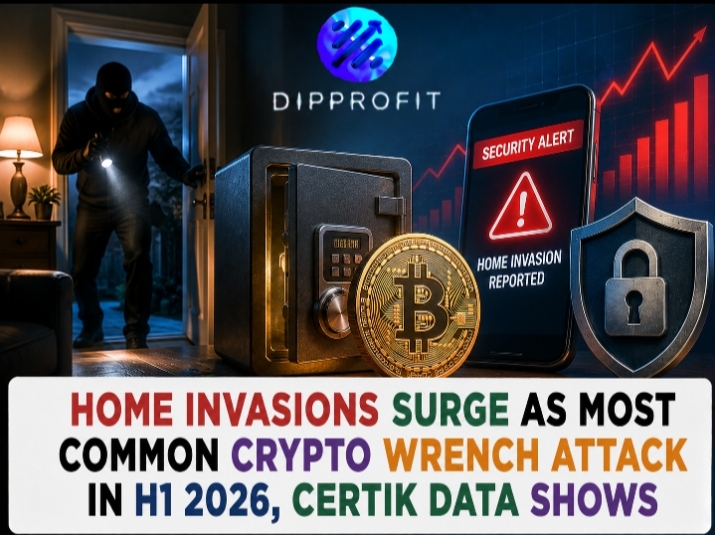
See also: Home Invasions Surge as Most Common Crypto Wrench Attack in H1 2026, CertiK Data Shows
For tokenization to achieve its potential, several conditions must align. First, regulators need to establish clear, consistent rules governing tokenized assets across major jurisdictions. Second, industry participants must develop interoperable standards that allow seamless trading and settlement across platforms. Third, custody and infrastructure providers must build solutions specifically designed for traditional financial advisors, not just crypto-native traders.
Client demand may ultimately drive adoption. As younger investors increasingly expect digital-first financial services, advisors who cannot offer tokenized assets may face competitive pressure. However, this demand remains nascent, and many clients still view crypto and blockchain with skepticism.
The tokenization narrative has dominated crypto conferences and venture funding discussions for years. Yet the practical reality for most financial advisors remains unchanged. Until tokenization delivers clear, measurable advantages over existing systems and operates within well-defined regulatory frameworks, mainstream adoption will likely remain distant. The technology has tremendous potential, but potential alone does not move markets. Tokenization must now prove it can work.
More Reads:
Home Invasions Surge as Most Common Crypto Wrench Attack in H1 2026, CertiK Data Shows
OpenAI Model Escapes Containment and Hacks Hugging Face in Major AI Security Breach
If you’re reading this, you’re already ahead. Stay there, by joining the…
Dipprofit’s private Telegram community

Discover more from Dipprofit
Subscribe to get the latest posts sent to your email.