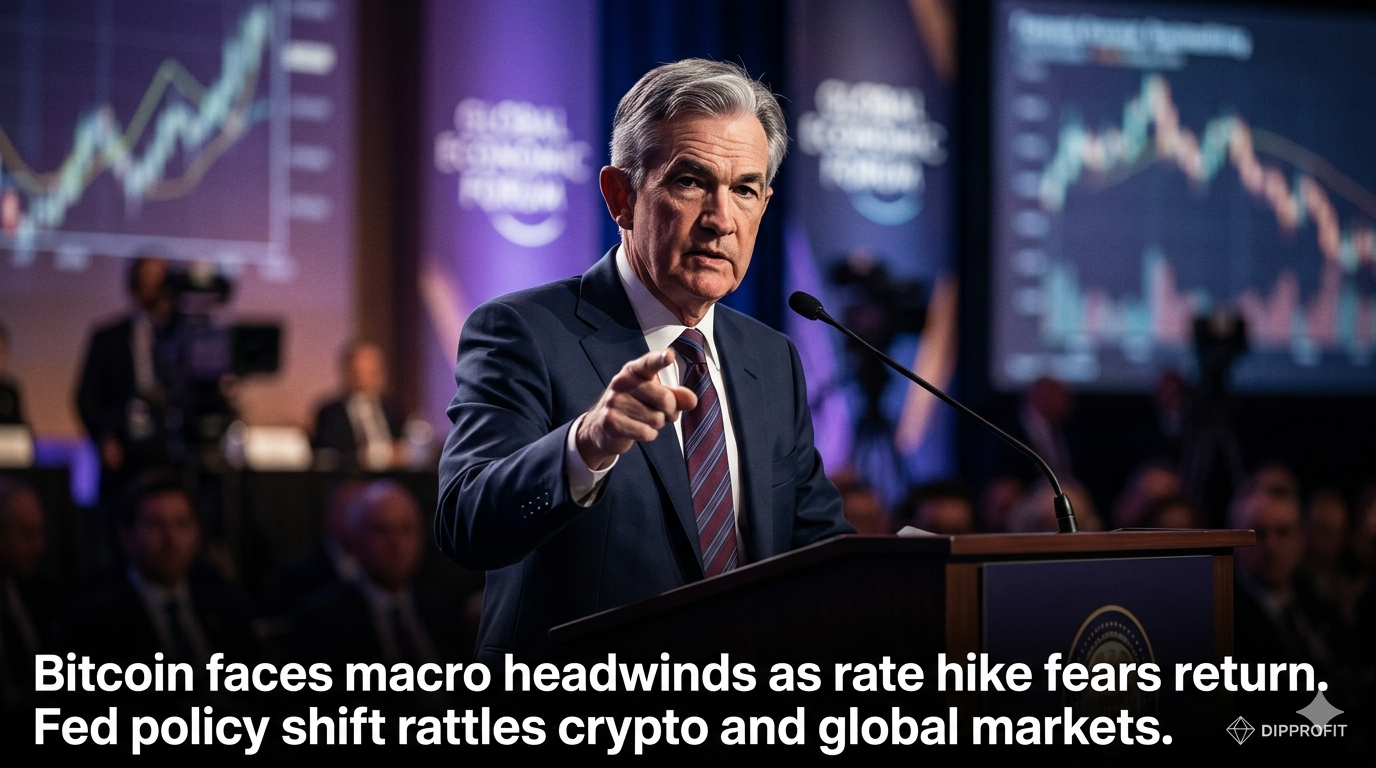
Bitcoin is facing fresh macroeconomic headwinds as markets increasingly price in the possibility of a U.S. Federal Reserve rate hike, a dramatic reversal from just weeks ago when rate cuts were the dominant expectation for 2026.
The shift in rate expectations comes as oil prices have surged 50% since the Iran conflict began, fueling inflation concerns that have rattled both traditional and crypto markets. According to CME FedWatch data, the probability of a Fed rate increase at its April meeting has jumped to 12%, up from 0% just one week prior.
This represents a sharp turnaround in monetary policy sentiment. Two months ago, conventional wisdom held that the Fed was more likely to cut rates in April. Now, persistent inflation and supply-side pressures are forcing a complete reassessment of the central bank’s policy trajectory.
Recent inflation data shows annual headline inflation running at 2.4% and core inflation at 2.5%, both above the Federal Reserve’s 2% target. These figures were recorded in February, before the spike in oil prices from geopolitical tensions. Current energy costs will likely push inflation higher in upcoming data releases.
The bond market has reacted sharply to rising rate hike expectations. The 10-year U.S. Treasury yield climbed another 10 basis points on Friday to 4.38%, up from below 4% at the start of March. This represents a significant repricing of longer-term interest rate expectations.
The bond selloff is not limited to the United States. In the United Kingdom, 10-year gilt yields jumped above 5% for the first time since 2008, with yields rising 15% over the past month. This global repricing of fixed income assets signals broad concerns about inflation and monetary tightening across developed economies.
Stock markets have reflected this uncertainty, with the S&P 500 on track for its fourth consecutive weekly decline and down approximately 5% since late February. The Nasdaq has followed a similar pattern, including a 1.2% drop on Friday alone.
Bitcoin’s price action has diverged from traditional equity markets, hovering around the $70,000 level. Despite the macro headwinds, Bitcoin remains one of the best-performing assets since the Iran conflict began, alongside oil prices.
Andre Dragosch, European Head of Research at Bitwise, noted that Bitcoin appears to be pricing in recessionary scenarios ahead of traditional markets. “Bitcoin has once again acted as the canary in the macro coal mine,” Dragosch said, noting that “at current levels, bitcoin is already pricing a recession, while many traditional assets are not.”
Precious metals have shown weakness amid rising rate expectations, with gold down a further 2% on Friday. This suggests that traditional safe-haven assets are losing their appeal as investors assess the implications of higher interest rates.
The combination of geopolitical tensions, elevated oil prices, and shifting monetary policy expectations has created a complex macro environment for cryptocurrency investors. The move from anticipated rate cuts to potential rate hikes within just weeks underscores the volatility in market expectations and the challenge posed by rapidly changing economic data.
As the Fed approaches its April meeting, market participants will likely remain focused on inflation readings and economic growth data. Any further surge in oil prices or signs of persistent inflation could further increase the odds of a rate hike, potentially weighing on risk assets including cryptocurrencies.
More Reads:
Bitcoin Hash Rate Plummets 8% Amid Iran War Energy Crisis, Signaling Potential Miner Capitulation
Most Bitcoin Wallets Not Vulnerable to Quantum Computing Threats, Says Galaxy Digital
If you’re reading this, you’re already ahead. Stay there, by joining the…
Discover more from Dipprofit
Subscribe to get the latest posts sent to your email.