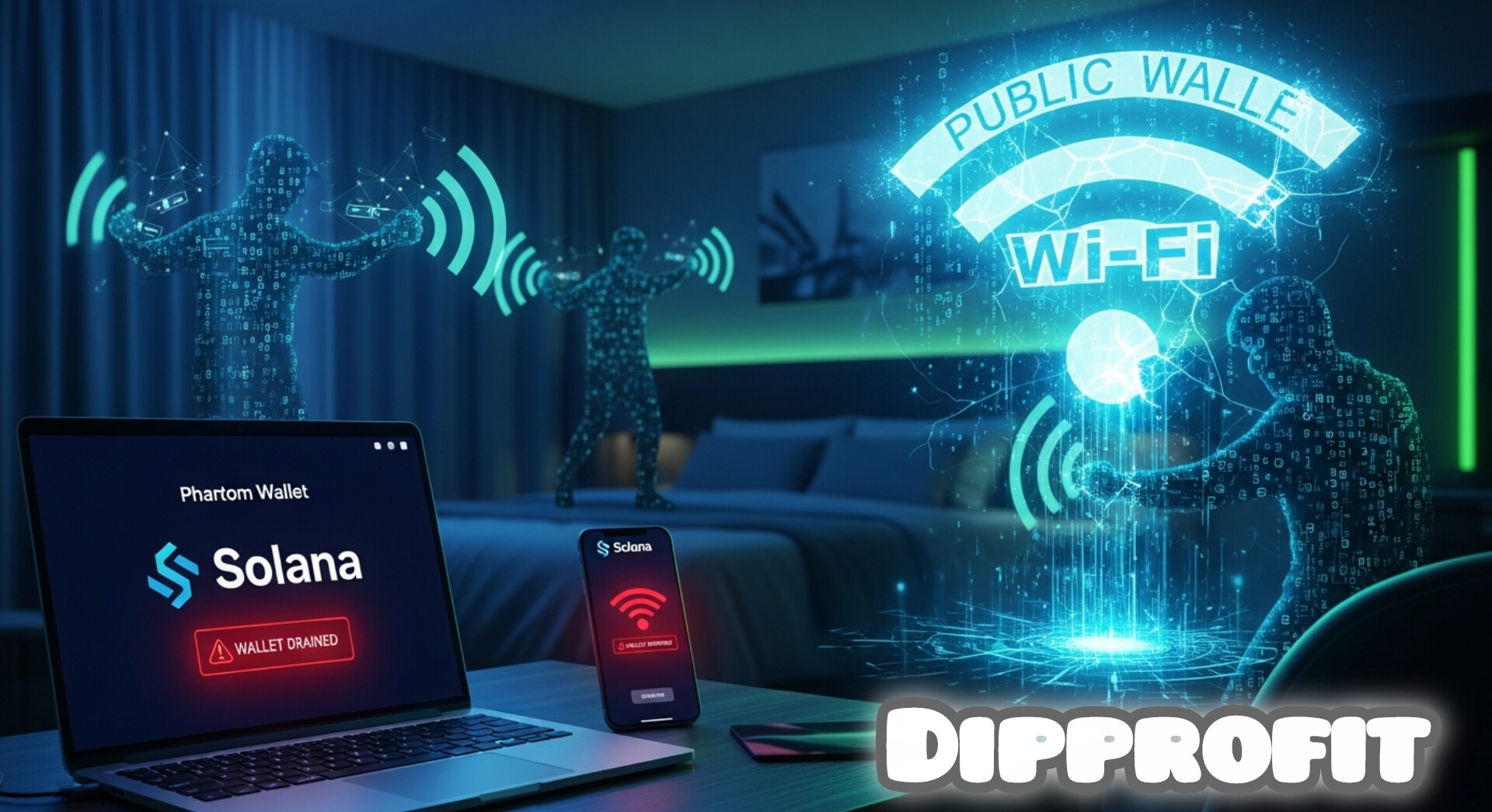
Crypto User Claims Phantom Wallet Drained Over Hotel Wi-Fi Connection
A cryptocurrency user has claimed that their Phantom wallet was compromised and drained while connected to hotel Wi-Fi, raising renewed concerns about digital asset security on public networks. According to a report published by u.today on January 10, 2026, the incident highlights potential vulnerabilities when accessing cryptocurrency wallets through unsecured internet connections.
Public Wi-Fi networks remain a persistent security risk for cryptocurrency users and digital asset holders. Attackers can intercept unencrypted data transmitted over these networks, potentially capturing wallet credentials, recovery phrases, or private keys.
Security experts have long warned users against conducting sensitive financial transactions on public Wi-Fi. Hotels, cafes, and airports offer convenient connectivity but often lack proper encryption protocols that protect user data from interception or man-in-the-middle attacks.
Phantom wallet is one of the most widely used Solana blockchain wallets, serving millions of users globally. Like other browser extension and mobile wallets, Phantom stores cryptographic keys that grant access to digital assets stored on various blockchain networks.
Security researchers emphasize that compromised wallet access can lead to complete loss of funds. Once attackers obtain private keys or recovery phrases, they can transfer assets to addresses controlled by the attacker.
Public Wi-Fi networks operate without password protection or use shared passwords known to all network users. Unencrypted connections allow attackers to monitor network traffic and capture sensitive information transmitted by connected devices.
Users accessing cryptocurrency wallets on public networks face multiple attack vectors. Attackers can create fake Wi-Fi hotspots mimicking legitimate networks, redirect traffic to malicious servers, or intercept data transmission between devices and actual network infrastructure.
Hardware wallets provide enhanced security for cryptocurrency storage compared to software or browser-based wallets. Devices like Ledger and Trezor require physical confirmation of transactions, adding an additional security layer that prevents unauthorized fund transfers.
Experts recommend using virtual private networks (VPNs) when accessing any sensitive accounts on public Wi-Fi connections. VPNs encrypt all data transmission between a user’s device and VPN servers, preventing attackers from monitoring network activity.
Cryptocurrency wallet compromises have become increasingly common as digital asset adoption grows. Personal wallet exploits accounted for significant losses in 2025, with security firms tracking rising numbers of user account compromises.
Cold storage solutions offer maximum protection for digital assets not actively being traded. Moving cryptocurrency to offline storage eliminates exposure to online threats and network vulnerabilities.
Users should never store large amounts of cryptocurrency in hot wallets accessible through public networks. Best practice involves maintaining majority holdings in secure cold storage while keeping only necessary trading amounts in active wallets.
Two-factor authentication adds security layers to cryptocurrency accounts but cannot prevent key compromise if attackers obtain wallet recovery phrases. Recovery phrases represent the ultimate authentication method for blockchain wallets.
Security audits and responsible disclosure practices help wallet developers identify and patch vulnerabilities before attackers exploit them at scale. Wallet providers regularly update software to address newly discovered security issues.
Users experiencing wallet compromise should immediately move any remaining assets to new wallets with freshly generated keys. Monitoring compromised wallet addresses on blockchain explorers can help identify which assets were stolen.
Public awareness about cryptocurrency security remains limited despite growing digital asset adoption. Education initiatives and security guidelines help users implement protective measures before experiencing financial losses.
Network security fundamentals apply equally to cryptocurrency users and traditional financial services customers. Avoiding public Wi-Fi for sensitive transactions represents basic security hygiene applicable across all financial activities.
More Reads:
Notable Bitcoin Whale Opens $30 Million XRP Long Position After Timing December Market Dump
Nexo Launches Zero-Interest Lending for Bitcoin and Ethereum Holders
Discover more from Dipprofit
Subscribe to get the latest posts sent to your email.