
Michael Saylor, Strategy executive chairman, and Adam Back, Blockstream CEO, have intensified their opposition to BIP-110, a proposed temporary fork designed to restrict non-monetary transactions on the Bitcoin network. The two prominent Bitcoin figures argue that while Ordinals inscriptions present challenges, implementing the protocol change poses greater risks to Bitcoin’s credibility and decentralization principles.
Bitcoin Improvement Proposal-110 was introduced in December 2025 by pseudonymous developer Dathon Ohm with backing from Ocean protocol founder Luke Dashjr. The proposal aims to limit nonfungible token-like Ordinals inscriptions and arbitrary data from congesting the network, preserving Bitcoin’s core function as a peer-to-peer cash system.
Saylor dismissed the proposal on X over the weekend, stating that there are far more pressing concerns for Bitcoin’s security. “There are 110 things more dangerous to Bitcoin than spam,” Saylor posted, warning that BIP-110 could invalidate ordinary transactions on the network. His critique highlights fears within the Bitcoin community that the fork could inadvertently damage legitimate transaction processing.
Back offered a more philosophical objection to the proposal, characterizing BIP-110 as a “quest to police other people.” The Blockstream CEO emphasized that Bitcoin’s decentralization model fundamentally prevents any group from imposing their values on others, arguing this principle aligns with the cypherpunk ethos underlying Bitcoin’s creation as permissionless, censorship-resistant money.
See also: Trader Loses $2M in Same-Block Backrun Extraction Exploit on DEX
The current dispute echoes the contentious Blocksize Wars that divided the Bitcoin community between 2015 and 2017, when developers and miners debated whether risking a chain split justified raising the block size limit for improved scalability. That debate ultimately shaped Bitcoin’s development trajectory and governance philosophy.
BIP-110 faces significant activation hurdles. The proposal requires support from 55 percent of Bitcoin nodes validating blocks across a Bitcoin block period to activate. During the most recent period, number 475 spanning blocks 955,584 to 957,599, only 1 percent of blocks signaled BIP-110 support, suggesting the proposal remains far from consensus.
Notably, the dispute emerges as Ordinals activity has declined substantially from its peak. According to data from Dune Analytics, fewer than 10,000 Ordinals inscriptions are being added to the Bitcoin blockchain daily over the past month, down dramatically from over 400,000 daily inscriptions recorded during the peak in August 2023. This sharp decline undermines arguments from BIP-110 proponents that Ordinals represent an urgent threat requiring immediate intervention.
Dashjr and other BIP-110 supporters maintain that Ordinals-driven network bloat constitutes a serious threat requiring prompt action. They argue the proposal would not trigger a chain split, as many critics fear, and emphasize that BIP-110 imposes only a temporary one-year restriction on non-monetary transactions. Proponents contend the fork would not invalidate fee-paying transactions over the long term.
See also: Tether Unlocks $23 Billion Gold Reserve With Bullion-Backed Lending Program
The disagreement reflects broader tensions within Bitcoin’s development community regarding the network’s purpose and priorities. This follows a pattern seen in related regulatory debates around blockchain governance, where different stakeholders advocate competing visions for protocol evolution.
Back’s emphasis on Bitcoin’s permissionless nature represents a core philosophical position held by many Bitcoin developers and advocates. The argument suggests that attempting to restrict certain transaction types, regardless of intent, contradicts Bitcoin’s fundamental design principles and could set dangerous precedents for future protocol modifications.
The BIP-110 debate will likely continue as Bitcoin developers weigh network efficiency against decentralization principles. With activation probability currently minimal and Ordinals activity already declining naturally, the proposal appears unlikely to gain the consensus necessary for implementation in the near term. The discussion nonetheless highlights ongoing tensions within Bitcoin’s governance model regarding how the network should evolve.
More Reads:
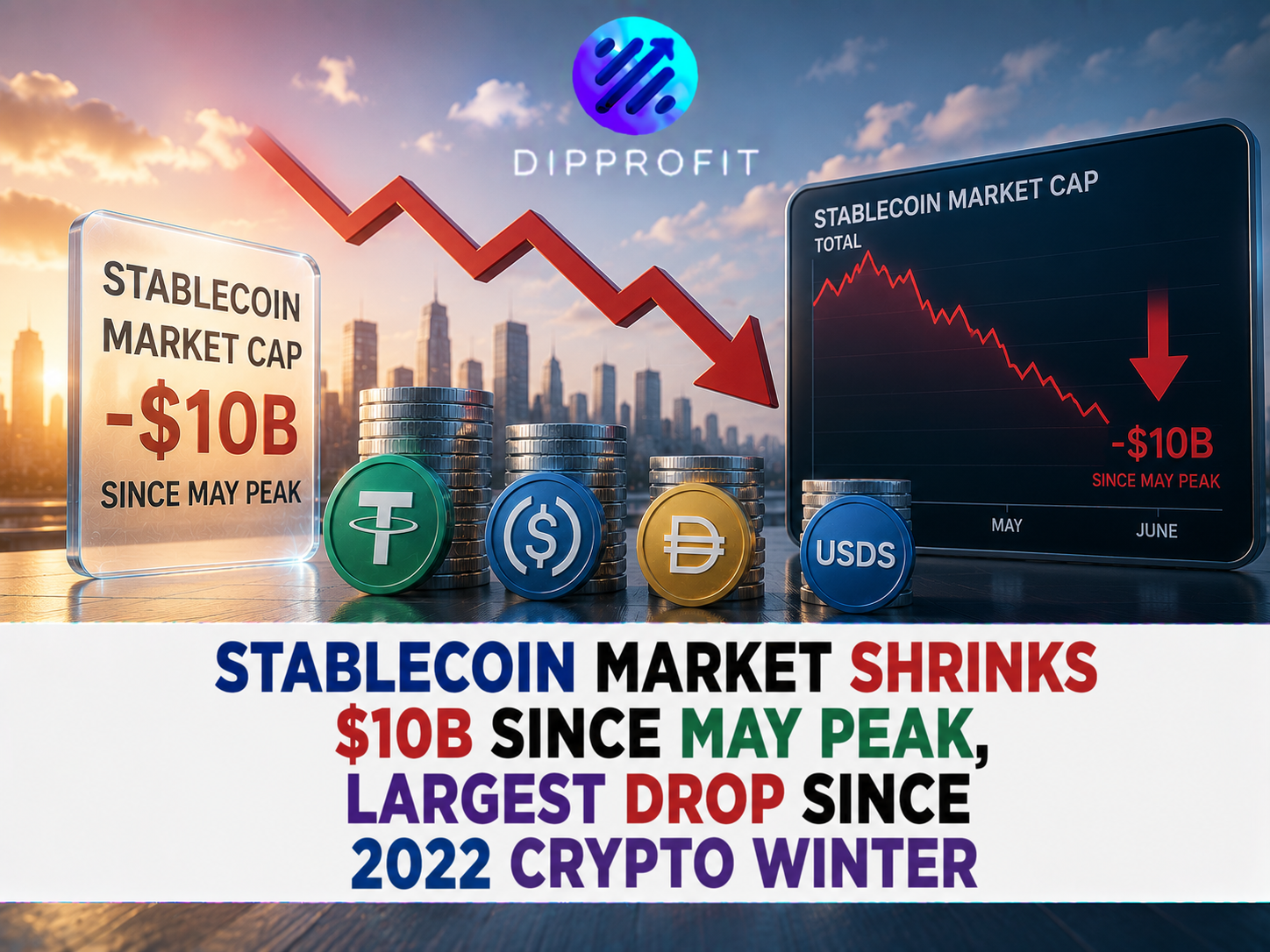
Stablecoin Market Shrinks $10B Since May Peak, Largest Drop Since 2022 Crypto Winter
Gold (XAU/USD) Weekly Analysis: Consolidation Tests $4,076 Support Amid Fed Rate Speculation
If you’re reading this, you’re already ahead. Stay there, by joining the…
Dipprofit’s private Telegram community

Discover more from Dipprofit
Subscribe to get the latest posts sent to your email.