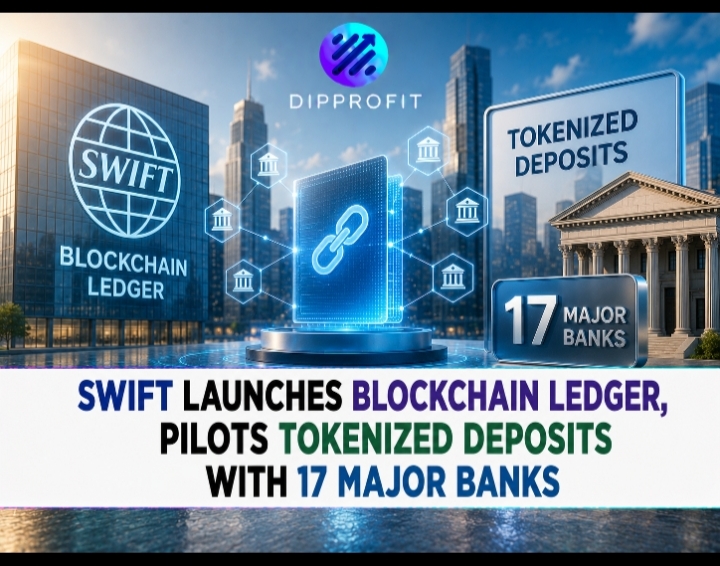

SWIFT, the world’s largest financial messaging network, has officially launched its blockchain-based ledger after nine months of development, marking a significant step toward mainstream adoption of tokenized assets in regulated finance. The platform will host a pilot program for cross-border payments using tokenized bank deposits, with 17 major global banks participating in the initial phase.
The participating banks include HSBC, Citigroup, BNP Paribas, UBS, ANZ, DBS and Standard Chartered. These institutions will test faster cross-border payment capabilities on SWIFT’s new infrastructure while maintaining existing compliance, credit, risk and control standards embedded in current payment processing systems.
The ledger enables 24/7 cross-border payments, including overnight and weekend transactions, addressing a long-standing limitation of traditional banking infrastructure. This capability extends payment availability beyond conventional business hours, potentially transforming how international commerce operates. SWIFT plans to expand the ledger’s functionality and availability following the initial controlled go-live phase.
SWIFT’s interbank messaging network already connects over 11,500 banks and financial institutions across more than 200 countries and territories. According to the organization, 75% of payments on its existing network already reach beneficiary banks within 10 minutes, often in seconds. The new blockchain ledger represents an evolution of this infrastructure rather than a replacement.
See also: Dinari and tZERO Partner on Turnkey Platform for Tokenized U.S. Equities
Thierry Chilosi, chief business officer at SWIFT, described the launch as a “key milestone for regulated digital assets” that could lay the foundation for future innovation in areas including programmable money and agentic commerce. “It allows tokenised value to move across borders with the velocity and flexibility modern commerce expects, while maintaining the same high levels of resiliency, security, and compliance global finance requires,” Chilosi stated.
This development reflects a broader trend of traditional financial institutions embracing blockchain technology and tokenization. The announcement comes just one month after a consortium of major banks, including JPMorgan Chase, Bank of America, Citibank, Barclays, BNY and Wells Fargo, announced plans to launch a tokenized deposit network in the first half of 2027. The Clearing House will operate that network and connect traditional payment rails with digital asset infrastructure for 24/7 settlement.
The tokenization movement extends beyond banking infrastructure. In March, the New York Stock Exchange partnered with tokenization platform Securitize to build blockchain-based infrastructure for tokenized stocks and exchange-traded funds. This follows a pattern seen in related coverage of partnerships advancing tokenized U.S. equities platforms, demonstrating how Wall Street continues expanding digital asset capabilities.
In January, the NYSE’s parent company, the Intercontinental Exchange (ICE), shared plans for a tokenized securities venue designed for 24/7 trading, instant settlement, stablecoin-based funding and onchain settlement. These initiatives collectively suggest that traditional finance is moving toward a more continuous, blockchain-enabled settlement infrastructure.
The SWIFT announcement also reflects growing institutional confidence in regulated digital assets. Rather than competing with traditional finance, blockchain technology is being integrated into existing frameworks to enhance speed, efficiency and accessibility. The emphasis on maintaining compliance and risk standards indicates that financial institutions view tokenization as an evolution of current systems rather than a disruptive replacement.
Industry observers have noted that tokenization addresses real pain points in global finance, particularly around settlement times and cross-border transaction costs. By enabling near-instantaneous settlement and reducing intermediaries, tokenized assets could significantly improve efficiency in international commerce and financial markets.
The pilot phase will provide valuable data on how tokenized deposits perform at scale within regulated financial infrastructure. Success in this initial phase could accelerate adoption across the broader banking sector and encourage additional financial institutions to explore blockchain-based solutions for payment and settlement processes.
SWIFT’s move also signals confidence from one of finance’s most conservative institutions that blockchain technology has matured sufficiently for mission-critical applications. The organization’s decision to invest in this infrastructure suggests that digital assets will play an increasingly important role in global finance, according to industry analysis.
More Reads:
Dinari and tZERO Partner on Turnkey Platform for Tokenized U.S. Equities
Base Activates B20 Token Standard on Mainnet for Stablecoins and RWAs
If you’re reading this, you’re already ahead. Stay there, by joining the…
Dipprofit’s private Telegram community

Discover more from Dipprofit
Subscribe to get the latest posts sent to your email.