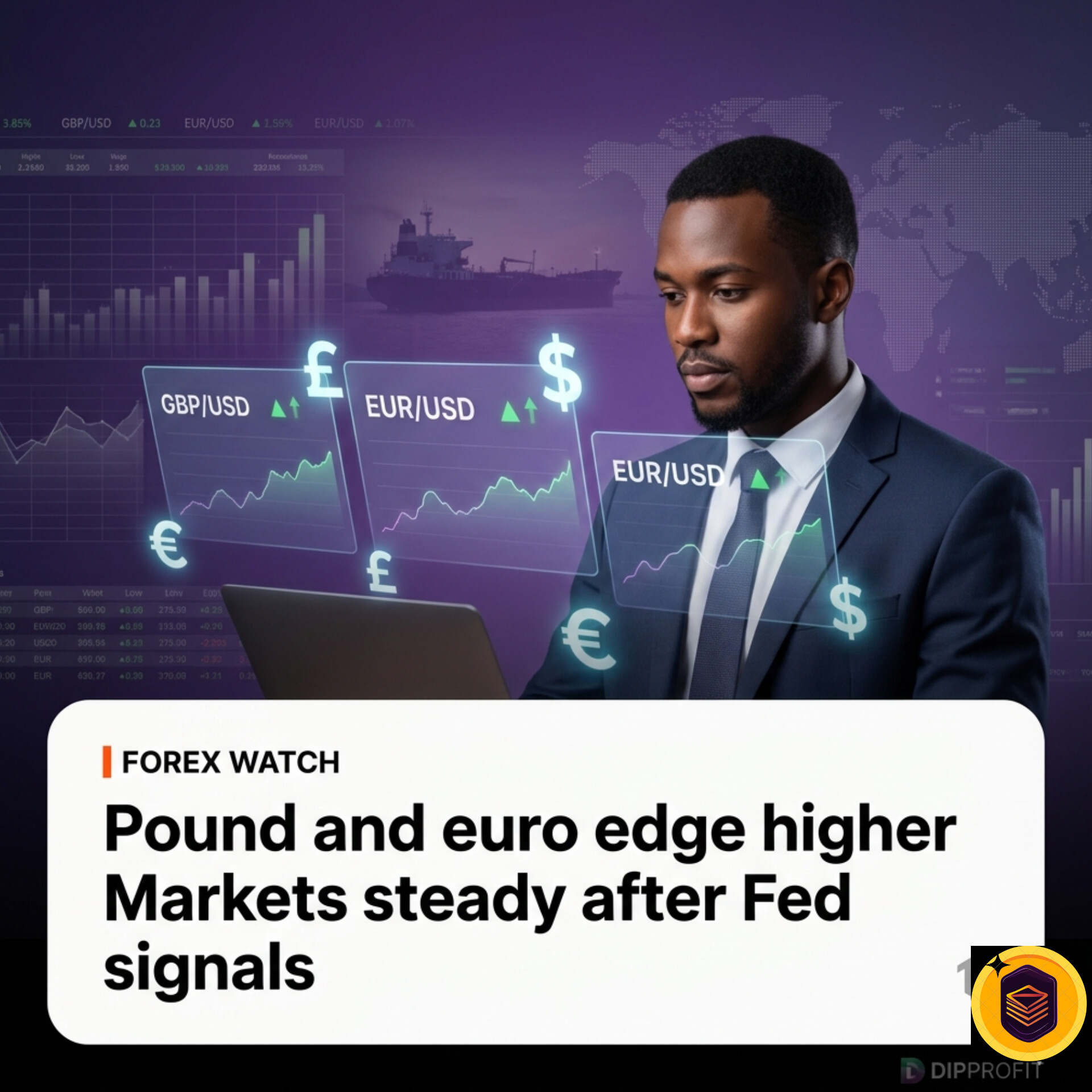

Sterling and the euro posted modest gains on Wednesday as currency markets responded positively to Federal Reserve Chair nominee Kevin Warsh’s Senate testimony, which provided reassurance on central bank independence without triggering major shifts in interest rate expectations.
As of 07:55 GMT, GBP/USD climbed 0.16% to 1.3525, trading within a session range of 1.3498 to 1.3535. EUR/USD added 0.09% to 1.1754, remaining comfortably within its daily band of 1.1734 to 1.1763.
Warsh appeared before the Senate on Tuesday, carefully avoiding specific policy commitments while strongly defending the Federal Reserve’s institutional independence. Analysts indicated this stance was sufficient to prevent a Treasury-driven surge in the U.S. dollar that some market participants had feared.
The dollar index remained broadly rangebound, struggling to reclaim the 99 level amid resilient equity performance. The S&P 500 has gained approximately 3% since the onset of the U.S.-Iran conflict, removing what could have been a key support for a more sustained greenback recovery.
ING analysts noted that the dollar’s rebound potential remains limited by the equity backdrop. European equities have not underperformed sharply enough to drive EUR/USD meaningfully lower, the brokerage said.
The firm expects the pair to consolidate around the 1.172-1.177 range absent tangible diplomatic progress, with dip-buying likely to emerge around 1.167-1.170.
For sterling, UK inflation data released Wednesday delivered no major surprises. Energy costs lifted headline consumer price inflation while core services inflation remained broadly flat, reinforcing market expectations that the Bank of England will hold interest rates steady at next week’s policy meeting.
ING maintained its forecast that the BoE is likely to keep rates on hold through year-end. The brokerage expects inflation to peak near 3.5-4% rather than reaching levels that would compel immediate policy action from the central bank.
Political uncertainty continues to hover over the pound, with markets keeping a cautious eye on Prime Minister Keir Starmer’s domestic standing ahead of local elections scheduled for May 7. Labour is widely expected to underperform in those contests, potentially adding pressure to the government’s economic agenda.
The broader geopolitical backdrop remains unresolved and continues to influence currency movements. President Trump announced a last-minute ceasefire extension in the U.S.-Iran standoff, but the situation in the Strait of Hormuz remains fluid.
The U.S. blockade remains intact, and fresh reports emerged of an incident involving a UK container ship in the region. These developments underscore the fragile nature of the current diplomatic pause and the potential for renewed volatility.
Oil prices have responded to the uncertainty, with Brent crude futures rising 0.57% to $99.04 per barrel and WTI crude gaining 0.49% to $90.11. Energy market movements are being closely watched by forex traders as a key indicator of geopolitical risk sentiment.
Market participants indicated that direction for both GBP/USD and EUR/USD will continue to be dictated by war-related headlines, oil price movements, and any further signals from Federal Reserve officials in the coming sessions.
The relatively muted reaction to Warsh’s testimony suggests markets are taking a wait-and-see approach to monetary policy, with traders reluctant to make major position adjustments until there is greater clarity on both the geopolitical situation and the Fed’s policy trajectory under new leadership.
Technical traders noted that both currency pairs are trading within established ranges, with GBP/USD finding support around 1.3500 and resistance near 1.3550. EUR/USD appears similarly range-bound, with key support at 1.1730 and resistance at 1.1770.
Looking ahead, forex strategists emphasized that any breakdown in ceasefire negotiations or escalation in the Strait of Hormuz could quickly reverse recent gains in both sterling and the euro. Conversely, tangible diplomatic progress could provide additional upside momentum for both currencies against the dollar.
The Bank of England’s upcoming policy decision next week will provide the next major catalyst for sterling, though consensus expectations for no change suggest limited potential for volatility unless the central bank surprises markets with hawkish or dovish guidance.
More Reads:
The Complete Smart Money Concepts Guide From Beginner to Mastery in 2026
US/Iran Tensions Rise as Ceasefire Deadline Approaches, Markets React
If you’re reading this, you’re already ahead. Stay there, by joining the…
Dipprofit’s private Telegram community

Discover more from Dipprofit
Subscribe to get the latest posts sent to your email.