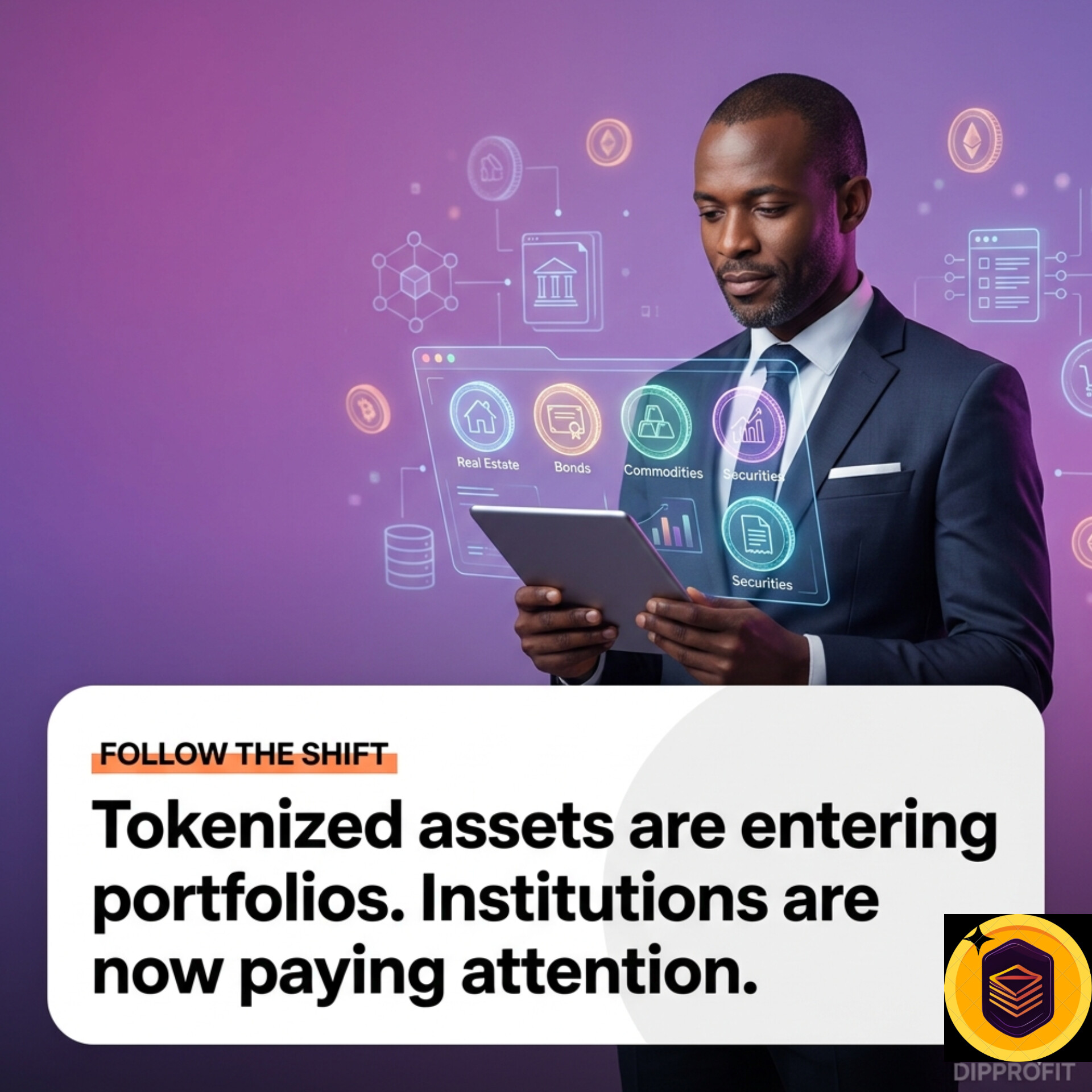

Tokenized assets have transitioned from a theoretical concept to a practical investment vehicle that financial advisors are now considering for client portfolios, marking a significant shift in how institutional capital approaches digital asset allocation.
The evolution of tokenized assets reflects growing confidence in compliance frameworks and regulatory clarity that has enabled major financial institutions to participate in the space. As of April 2026, the infrastructure supporting tokenized real-world assets has matured significantly, allowing advisors to evaluate these offerings as legitimate portfolio components rather than speculative experiments.

Financial advisors are increasingly tasked with understanding tokenization’s role in modern portfolio construction. This development represents a fundamental change in how institutional money views digital representations of traditional assets, from real estate and commodities to securities and fixed-income instruments.
Compliance Architecture Becomes the Foundation
The establishment of robust compliance architecture has been instrumental in legitimizing tokenized assets for institutional use. Regulatory bodies across multiple jurisdictions have developed frameworks that address key concerns around custody, settlement, and asset verification for tokenized instruments.
These compliance structures provide the guardrails that institutional investors require before deploying capital at scale. Advisors can now reference established protocols and regulatory pathways when recommending tokenized assets to clients concerned about legal and operational risks.
The standardization of compliance measures across different tokenization platforms has reduced friction in the advisor-client conversation. Rather than explaining emerging technology, advisors can now discuss tokenized assets using familiar regulatory and risk management terminology.
Institutional Movement Reshaping Market Dynamics
Major financial institutions have begun allocating resources to tokenized asset strategies, signaling confidence in the sector’s long-term viability. This institutional participation has fundamentally altered the risk-reward profile of tokenized investments for advisors evaluating them for client portfolios.
The entry of established financial players has also improved market infrastructure, including custody solutions, settlement mechanisms, and liquidity provision. These improvements make tokenized assets more practical for advisors managing substantial client assets.
Banking institutions and asset managers are now offering tokenized products directly to advisors, eliminating the need for clients to navigate direct cryptocurrency platforms. This institutional intermediation has reduced operational complexity and perceived risk for conservative investment managers.

Redefining Risk Assessment for Advisors
The professionalization of tokenized assets has enabled advisors to conduct standardized risk assessments comparable to traditional investment analysis. Factors such as liquidity, counterparty risk, and regulatory exposure can now be evaluated using established frameworks.
Tokenized assets present different risk profiles depending on the underlying asset class and the tokenization platform. Real estate tokenization, for example, carries different considerations than tokenized securities or commodities.
Advisors are developing methodologies to incorporate tokenized assets into diversification strategies. The low correlation between tokenized assets and traditional markets makes them potentially valuable for portfolio construction, though advisors must carefully evaluate concentration risks.
Opportunity Assessment in Portfolio Construction
The shift toward portfolio allocation status presents new opportunities for advisors to generate alpha through strategic tokenized asset positioning. Early institutional adoption suggests potential for outperformance as markets discover pricing inefficiencies in emerging tokenized categories.
Enhanced yield opportunities in tokenized bond markets and real estate offerings provide advisors with alternatives to traditional fixed-income vehicles. These opportunities appeal to advisors seeking to optimize risk-adjusted returns in low-yield environments.
The ability to fractionalize and trade tokenized assets also creates opportunities for more granular portfolio construction. Advisors can access investment opportunities previously unavailable due to minimum investment thresholds or geographic restrictions.
Looking Ahead
The continued evolution of tokenized assets depends on sustained regulatory clarity and technological improvements. Advisors should expect to see increasing product offerings and institutional participation as infrastructure matures further.
Financial professionals must remain informed about developments in compliance architecture and institutional movement to effectively advise clients on tokenized asset allocation decisions. The transition from concept to portfolio reality represents a significant milestone in cryptocurrency’s integration into mainstream investment management.
More Reads:
MicroStrategy’s Bitcoin Holdings Return to Profit as BTC Surges Past $77,000
Texas Man Gets 23-Year Sentence for $20M Meta-1 Coin Cryptocurrency Fraud
If you’re reading this, you’re already ahead. Stay there, by joining the…
Discover more from Dipprofit
Subscribe to get the latest posts sent to your email.