Hong Kong and Shanghai Sign Blockchain MOU to Digitize Cross-Border Trade Finance
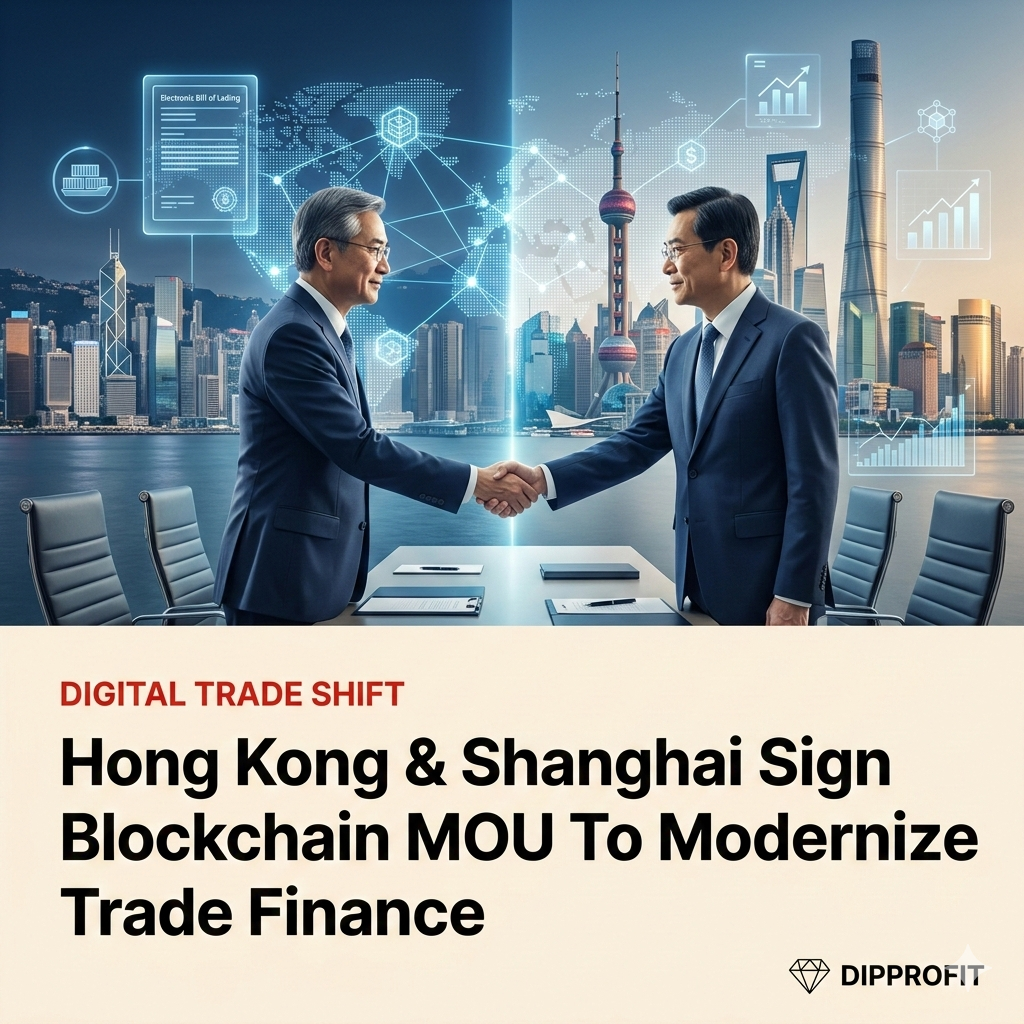
Hong Kong and Shanghai authorities signed a memorandum of understanding on Monday to develop a blockchain-based platform linking cargo trade data with financial services, marking a significant step in cross-border digital trade infrastructure.
The Hong Kong Monetary Authority, the Shanghai Data Bureau and the National Technology Innovation Center for Blockchain will conduct joint research on integrating trade data, electronic bills of lading and finance applications under the HKMA’s Project Ensemble initiative.
The partnership aims to create a blockchain cross-border platform that streamlines trade finance and cargo documentation between the two major financial hubs. The project will leverage the HKMA’s Commercial Data Interchange, a blockchain-based financial data infrastructure launched in 2022 to enable institutional access to corporate data for lending purposes.
Howard Lee, deputy chief executive of the HKMA, described the MOU as an “important milestone” for digital innovation cooperation between Hong Kong and Shanghai. “We look forward to driving innovative application of digital technology in areas such as cargo trade and finance, promoting joint achievements in digital innovation, exploring a digital infrastructure that links Shanghai and Hong Kong, promoting digitalisation of trade finance,” Lee said in the announcement.
The partners will also draw on Project CargoX, an HKMA initiative built on the CDI that aims to strengthen trade and cargo data capabilities for financing and related services. Project Ensemble was launched in 2024 to explore tokenized market infrastructure and new digital rails for financial services.
Shao Jun, director of the Shanghai Data Bureau, said the partnership marks a significant step toward fostering “data-powered and innovation-driven development, striving to establish a secure, efficient, and open digital infrastructure.” The collaboration represents growing efforts by Chinese authorities to modernize trade finance infrastructure through blockchain technology.
The blockchain platform will interlink multiple critical components of international trade, including trade data flows, electronic bills of lading and financial applications. Electronic bills of lading have become increasingly important in digitizing shipping documentation, reducing paperwork and speeding up international trade transactions.
The Commercial Data Interchange, which forms the foundation of this initiative, enables financial institutions to access verified corporate data more efficiently. Since its 2022 launch, the CDI has been used to streamline lending processes by providing banks with secure, blockchain-verified corporate information.
Trade finance has long been identified as a sector ripe for blockchain innovation. Traditional trade finance processes involve extensive paperwork, multiple intermediaries and lengthy verification procedures. Blockchain technology promises to reduce these inefficiencies by creating shared, immutable records accessible to all authorized parties.
The Hong Kong-Shanghai collaboration comes as Hong Kong pursues broader digital asset initiatives. In a separate announcement Monday, Hui Ching-yu, Hong Kong’s secretary of financial services and the treasury, proposed tax exemptions for overseas digital assets held by investment funds and family offices.
The proposals seek to add digital assets to qualifying investments for investment funds and family offices, Hui said during a Legislative Council Financial Affairs Committee meeting. Subject to approval, profits from digital assets held under these structures would qualify for tax exemption, making Hong Kong’s tax concessions more attractive to global investment managers.
The dual announcements on Monday highlight Hong Kong’s multipronged approach to establishing itself as a leading digital finance hub. While the blockchain trade platform focuses on traditional cargo and trade finance infrastructure, the tax proposal targets the growing digital asset management sector.
Hong Kong has been positioning itself as a cryptocurrency and blockchain hub in Asia, competing with Singapore and other regional financial centers. The city has introduced regulatory frameworks for cryptocurrency exchanges and has been actively courting digital asset firms to establish operations in the jurisdiction.
The partnership between Hong Kong and Shanghai authorities also reflects broader coordination between the two cities on financial innovation. Despite their different regulatory environments, both cities have identified blockchain technology as critical infrastructure for future financial services.
The joint research under the MOU will examine the practical benefits and technical requirements of developing the cross-border blockchain platform. The parties will assess how the platform can improve efficiency, reduce costs and enhance security in international trade transactions between the two cities.
More Reads:
Why Most “Ethereum Killers” Fail
Sandwich Era Is Dead: Says Christian Catalini
Discover more from Dipprofit
Subscribe to get the latest posts sent to your email.